
As February progresses, metals markets are settling into early-year patterns that buyers should be watching closely. Across most product categories, mills are maintaining disciplined output while demand remains selective rather than broad-based. This balance is keeping inventories tight in some areas while contributing to ongoing price volatility.
Compared to Q4 2025 levels, several metals have already experienced price movement in the 3–8% range, largely driven by energy costs, alloy inputs, and global supply decisions. For buyers, February is a key window to evaluate exposure, confirm Q2–Q3 requirements, and consider tools that help manage pricing and availability.
The Continental Steel & Tube team continues to monitor these trends closely and work with customers to support informed purchasing decisions.

Metals Market Headlines At-a-Glance
- Supply discipline remains in place across most mills entering Q1.
- Price volatility of 5–10% annually remains a realistic planning assumption for 2026.
- Buyers with forecasts and committed volume continue to gain the most leverage.
Nickel
Nickel markets remain well supplied, with global inventories holding steady.
Nickel pricing has fluctuated within a 5–7% range since the start of the year.
Aluminium
Aluminium supply continues to be influenced by energy costs and capacity constraints.
Pricing is up approximately 4–6% year-to-date, depending on product form.
Stainless Steel
Stainless production remains disciplined, with mills focused on margin control.
Alloy surcharges remain elevated and continue to shift monthly.
Titanium
Titanium demand remains strong, driven largely by aerospace and defense programs.
Lead times for certain products remain extended, in some cases 20–30+ weeks.
Copper, Brass & Bronze
Copper demand continues to be supported by electrification, infrastructure, and grid investment.
Copper pricing has remained volatile, with swings of 5%+ not uncommon.
Brass and bronze pricing continues to track copper closely.
Carbon Steel & Alloys
Carbon and alloy steel markets remain balanced entering Q1.
Spot pricing has been relatively stable, with limited movement of ±2–4%.
Metal Tariffs & Trade Considerations
Tariffs and trade policies remain an important factor in 2026. Existing tariffs continue to influence landed costs, sourcing strategies, and lead times across multiple metal categories. While no major policy changes have been enacted recently, ongoing geopolitical developments could introduce additional cost variability during the year.
Blanket Orders: Locking in Price & Supply
With continued price volatility and selective mill supply, blanket orders remain an effective strategy for managing both cost and availability in 2026. By locking in volume over a defined period, you can reduce exposure to price swings, improve material availability, and support more predictable production planning.
Continental Steel & Tube is actively offering blanket order programs across many product categories and is happy to work with you to structure agreements that align with your forecast and usage.
Continental Steel & Tube: Expert Metals Guidance & Supply Solutions
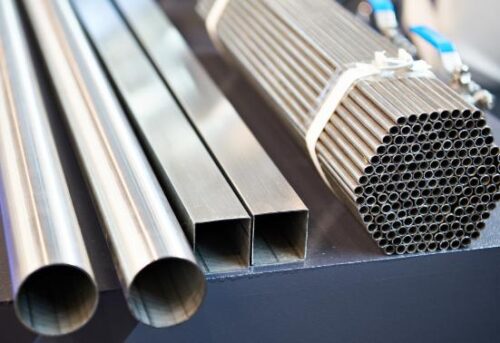
February is an ideal time to review forecasts, discuss upcoming requirements, and evaluate strategies such as blanket orders to support your 2026 purchasing plans. The Continental Steel & Tube sales team is here to answer questions, provide market insight, and help you plan with confidence.
Please reach out to your Continental representative anytime — we’re ready to help.