Copper, Brass, Bronze Grades
Choosing the Right Red Metal Grade for Your Application
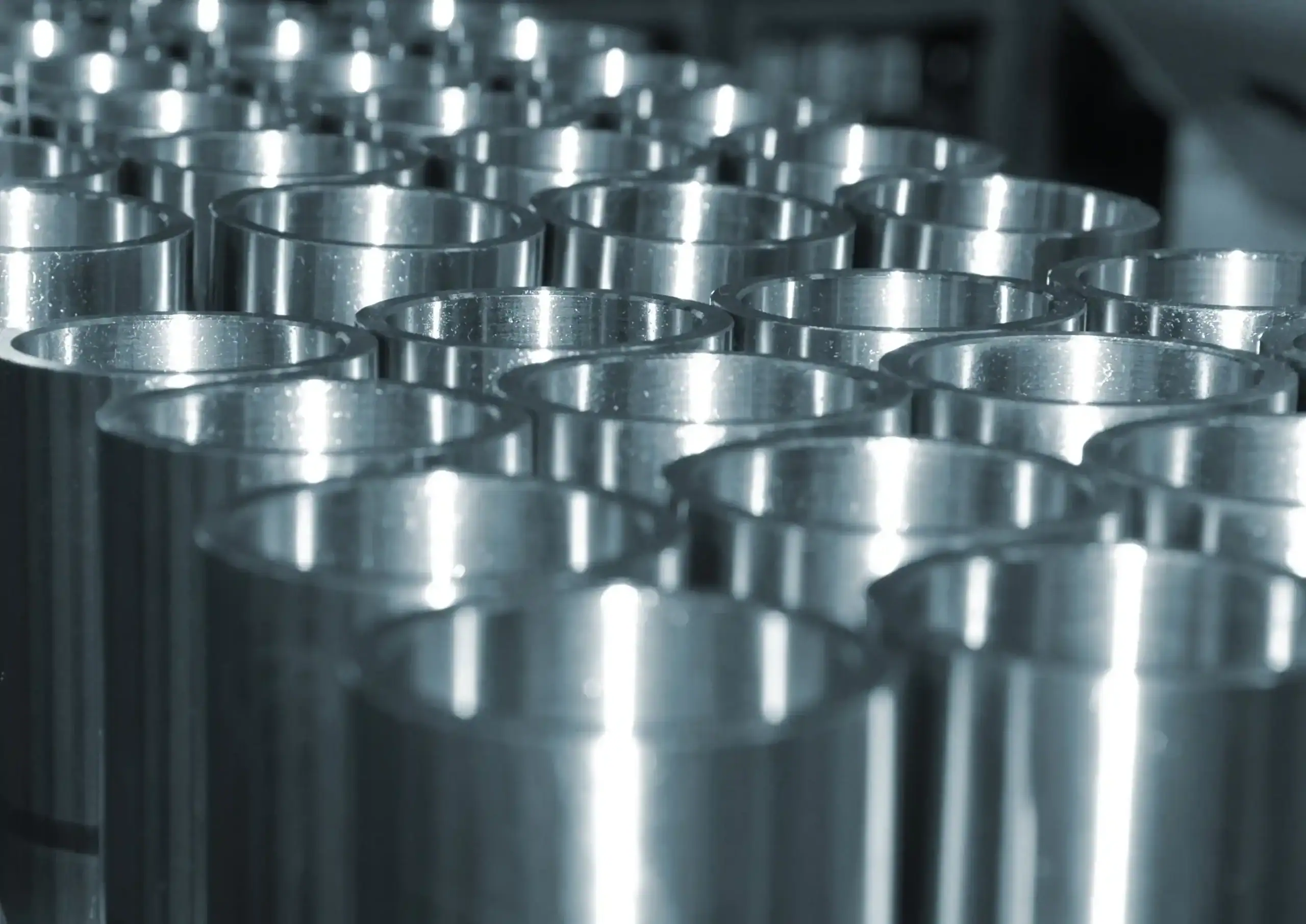
Copper, brass, and bronze are often grouped as red metals because of their distinctive reddish-gold hues that come from a high copper content. Although they share characteristics such as good corrosion resistance, conductivity, and formability, each material family has its own composition and performance strengths.
Copper is a pure metal valued for its outstanding electrical and thermal conductivity. Brass is primarily an alloy of copper and zinc known for its strength, machinability, and bright color. Bronze typically combines copper with tin, aluminum, or other elements that enhance hardness and resistance to wear.
These red metals are used across many industries, including electrical manufacturing, marine, construction, and architecture. Choosing the correct grade ensures that the material’s properties align with the mechanical, thermal, and environmental demands of your project.
This selection guide provides engineers and procurement professionals with a concise overview of key copper grades, brass grades, and bronze grades to support the initial selection of the correct CDA or UNS alloy family and grade.
Copper Grades Overview
- Common Name(s): Copper Alloy C101, Oxygen-Free Electronic Copper (OFE)
- Key Features: The purest commercial form of copper. Provides the highest electrical and thermal conductivity for critical electronic and electrical applications.
- Common Name(s): Copper Alloy 102, Oxygen-Free Copper (OF)
- Key Features: Nearly identical to C10100 with trace elements that provide slightly greater strength. Excellent conductivity and formability.
- Common Name(s): Copper Alloy 110, Electrolytic Tough Pitch (ETP) Copper
- Key Features: The most common of all copper grades. Offers excellent electrical and thermal conductivity, ductility, and corrosion resistance.
- Common Name(s): Copper Alloy 120, Deoxidized Low Phosphorous (DLP) Copper
- Key Features: Superior corrosion resistance, high electrical/thermal conductivity, and good weldability/formability.
- Common Name(s): Copper Alloy 122, Deoxidized High Phosphorous (DHP) Copper
- Key Features: Excellent corrosion resistance, thermal conductivity, and ease of fabrication. Because it is deoxidized, it offers good weldability and resistance to hydrogen embrittlement.
- Common Name(s): Copper Alloy 145, Tellurium Copper
- Key Features: Similar properties to pure copper but with higher machinability. Excellent electrical conductivity.
- Common Name(s): Copper Alloy 162, Cadmium Copper
- Key Features: Offers a unique combination of high tensile strength and high electrical conductivity.
- Common Name(s): Copper Chromium Zirconium
- Key Features: Offers high strength and high electrical and thermal conductivity with excellent resistance to softening at high temperatures.
- Common Name(s): Copper Alloy 182, Chromium Copper
- Key Features: High electrical and thermal conductivity combined with good strength and hardness, especially at high temperatures.
- Common Name(s): Copper Alloy 194, Copper Iron
- Key Features: Strengthened with small additions of iron and phosphorus. Provides excellent conductivity and fatigue resistance.
- Common Name(s): Copper Alloy 710, 80-20 Copper-Nickel
- Key Features: High corrosion resistance, good strength, and resistance to stress cracking.
- Common Name(s): Copper Alloy 715, 70/30 Copper-Nickel
- Key Features: High corrosion resistance, excellent resistance to biofouling, and stable mechanical properties.
Brass Grades

- Common Name(s): Copper Alloy 230, Red Brass
- Copper-Zinc Ratio: 85/15
- Key Features: High ductility, good corrosion resistance, and aesthetic appearance.
- Common Name(s): Copper Alloy 260, Cartridge Brass
- Copper-Zinc Ratio: 70/30
- Key Features: High strength, excellent cold workability, and good corrosion resistance.
- Common Name(s): Copper Alloy 270, Yellow Brass
- Copper-Zinc Ratio: 65/35
- Key Features: High strength, good corrosion resistance, and uniform grain structure.
- Common Name(s): Copper Alloy 280, Muntz Metal
- Copper-Zinc Ratio: 60/40
- Key Features: Excellent hot-working properties, high strength, and good corrosion resistance.
- Common Name(s): Copper Alloy 330, Low-Lead Brass
- Copper-Zinc Ratio: 65/35
- Key Features: Good machinability, high ductility, and consistent strength.
- Common Name(s): Copper Alloy 360, Free Cutting Brass
- Copper-Zinc Ratio: 61.5% Copper / 35.5% Zinc
- Key Features: Superior machinability, good strength, and high corrosion resistance.
- Common Name(s): Copper Alloy 435, Low-Lead Brass
- Copper-Zinc Ratio: 80/20
- Key Features: Lead content improves machinability while maintaining good corrosion resistance and strength.
- Common Name(s): Copper Alloy 443, Admiralty Brass
- Copper-Zinc Ratio: 70% Copper / 20% Zinc
- Key Features: Excellent resistance to dezincification and high corrosion resistance in moist environments.
- Common Name(s): Copper Alloy 464, Naval Brass (Lead-Free)
- Copper-Zinc Ratio: 60/40
- Key Features: High strength, rigidity, and outstanding resistance to seawater corrosion.
- Key Features: High strength, excellent resistance to corrosion, and good thermal conductivity.
- Common Name(s): Copper Alloy 752, Nickel Silver 65-18
- Key Features: High strength, good corrosion resistance, and attractive silver appearance.
Bronze Grades

- Common Name(s): Copper Alloy 220, Commercial Bronze
- Copper-Zinc Ratio: 90/10
- Key Features: Excellent corrosion resistance, high formability, and good strength.
- Common Name(s): Copper Alloy 510, Phosphor Bronze (5% Tin)
- Key Features: High strength, elasticity, and excellent resistance to corrosion and fatigue.
- Common Name(s): Copper Alloy 521, Phosphor Bronze (8% Tin)
- Key Features: High tin content for increased strength, wear resistance, and fatigue durability.
- Common Name(s): Copper Alloy 544, Phosphor Bronze (B-2)
- Key Features: Excellent machinability, high strength, and low friction characteristics.
- Common Name(s): Copper Alloy 614, Aluminum Bronze
- Key Features: High strength, outstanding wear resistance, and excellent resistance to seawater corrosion.
- Common Name(s): Copper Alloy 630, Nickel Aluminum Bronze
- Key Features: High strength, superior resistance to wear, and excellent corrosion protection.
- Common Name(s): Copper Alloy 642, Silicon Aluminum Bronze
- Key Features: High strength, corrosion resistance, and non-magnetic properties.
- Common Name(s): Copper Alloy 655, High Silicon Bronze
- Key Features: Excellent formability, weldability, and resistance to corrosion and oxidation.
- Common Name(s): Copper Alloy 706, 90/10 Copper-Nickel
- Key Features: Excellent resistance to corrosion, good thermal conductivity, and strong resistance to stress corrosion cracking.
- Common Name(s): Copper Alloy 932, High-Leaded Tin Bronze
- Key Features: High wear resistance, good hardness, and excellent machinability.
Continental Steel & Tube: Your Trusted Copper, Brass, and Bronze Supplier
Since 1985, Continental Steel & Tube Company has supplied high-quality copper, brass, and bronze metals to customers across a wide range of industries. We offer multiple copper grades, brass grades, and bronze grades in various forms and specifications, quoting materials according to each customer’s unique requirements.
As an ISO 9001:2015 and AS9120B:2016 certified company, we maintain strict quality control and consistent processes. Our team is dedicated to accuracy, reliability, and responsive service, ensuring every order is handled with care from start to finish.